
This comforting Serbian Chicken Soup is a traditional dish made with tender chicken, root vegetables, aromatic herbs, and tiny stelline pasta. Simmered slowly for over two hours, it develops a rich, deep flavor that makes it a staple in Serbian kitchens. A whole onion infuses the broth with mild sweetness, while consommé seasoning enhances the taste, bringing everything together in a warm, nourishing bowl of homemade comfort. Whether you’re craving a cozy meal or need something soothing on a chilly day, this slow-cooked soup is the perfect choice.

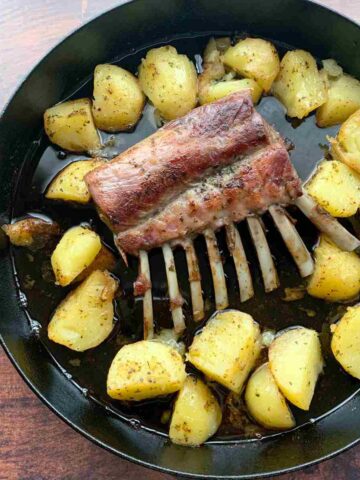
Serbian Chicken Soup, known as “pileća supa,” has been a beloved dish in Serbian homes for generations. Typically served as a first course during Sunday family meals, festive occasions, and often during cold and flu season due to its nourishing qualities, this soup is a classic selection. While traditional recipes use bone-in chicken, this version streamlines preparation by utilizing boneless chicken breast without sacrificing flavor. This light yet savory soup pairs wonderfully with hearty mains like lamb ribs with baked potato, where the richness of the lamb complements the broth’s delicate warmth perfectly.
A key characteristic of Serbian soups is the slow simmering technique, which brings out the maximum flavors from the ingredients, resulting in a clear and fragrant homemade chicken broth. Another signature aspect is the use of Vegeta seasoning, which imparts a distinctive umami flavor that many Serbians connect with home cooking. The inclusion of stelline pasta adds heartiness, making it an ideal comfort food that uplifts the spirit. This soup also complements seafood dishes like baked salmon in foil, panko and parmesan-baked cod, or easy baked shrimp, as it enhances the freshness of the fish with its rich, savory broth.
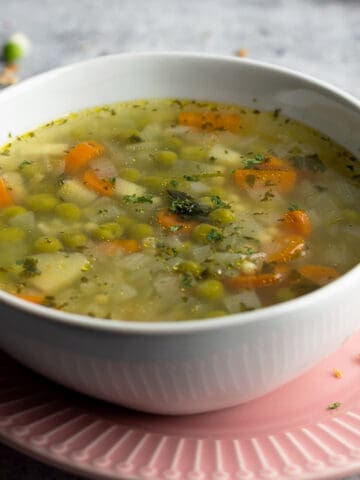
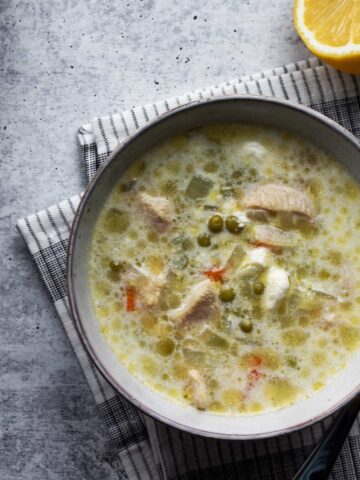
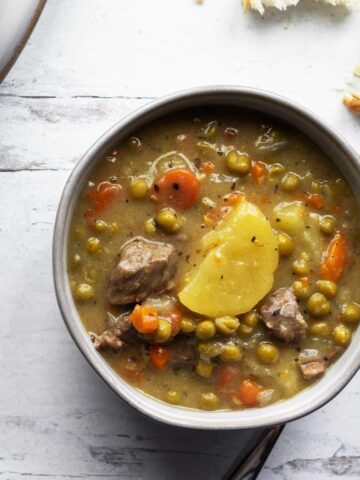
Try chicken orzo soup, homemade beef stew, or green peas soup for other soup and stew recipes.
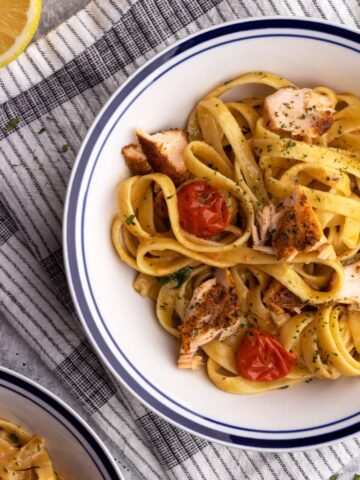
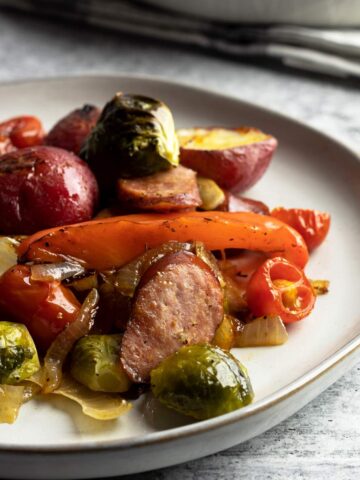
Other hearty mains to try are cajun chicken orzo, cajun salmon pasta, sheet pan sausage and veggies, djuvec rice recipe, or cajun shrimp and rice pilaf.
Jump to:
Why You’ll Love This Recipe
- Rich, Authentic Flavor: This soup captures the spirit of Serbian home cooking. Its slow simmer draws out maximum flavor from the chicken, vegetables, and herbs. The whole onion lends a subtle sweetness to the broth, while vegetables and consomé seasoning contribute a distinctive umami flavor. The outcome is a soothing, harmonious soup that radiates warmth and comfort in every spoonful.
- Nourishing and Light: In contrast to thick creamy soups or stews, Serbian-style chicken soup with shredded chicken offers a light option that is easy on the stomach while being nutritious. With its blend of lean chicken breast, fresh vegetables, and fragrant herbs, it stands out as a fantastic choice for those seeking a healthy, hydrating, and revitalizing meal. This soup is particularly favored during cold and flu season due to its soothing qualities and easy digestibility.
- Easy to Make With Simple Ingredients: There is no need for complicated techniques or hard-to-find ingredients. This soup combines kitchen staples like chicken, carrots, celery, onion, and pasta, yet it tastes as if it came from a special family recipe passed down for generations. The long cooking time does all the hard work for you, transforming basic ingredients into something truly special.
- Ideal For Any Occasion: Whether you need a light appetizer before a feast, a comforting dish on a chilly day, or a comforting solution when you’re not feeling well, this soup fits the bill. It’s flexible enough to be served as a starter for special events or as a straightforward, everyday meal that adds warmth to your table.
- Flexible and Customizable: You can modify the ingredients depending on what you have available or your family’s preferences. Change the seasoning, replace the pasta with rice or dumplings, or add a dash of lemon for a bright twist. While the base recipe remains unchanged, you can easily adapt it to accommodate various tastes and dietary requirements.
Ingredients

- Chicken: Traditionally, authentic Serbian chicken soup is made with bone-in chicken, but this version uses boneless chicken breast for convenience while still delivering a rich and flavorful broth. For an even deeper taste, bone-in thighs or drumsticks can be used.
- Vegeta Seasoning: A staple in Serbian kitchens, Vegeta is a versatile blend of dehydrated vegetables, salt, and spices that enhances the soup’s overall flavor. It provides a subtle umami taste that balances well with the natural sweetness of the carrots and parsnips. You can find it in Balkan food stores, in Walmart’s international food aisle, or on Amazon.
- Consommé Seasoning: This adds extra depth to the broth, enriching the overall taste and making the soup more robust. If unavailable, chicken bouillon powder or a mix of salt and herbs can be used as a substitute. You can find it on Amazon.
See recipe card for quantities.
Substitutions and Variations
- Bone-in Chicken For Extra Flavor: While this recipe calls for boneless chicken breasts, using bone-in, skin-on chicken (such as thighs or drumsticks) will enhance the broth’s depth and richness. The slow simmering process extracts natural gelatin from the bones, giving the soup a silkier texture and fuller body. Just be sure to remove the bones before serving.
- Beef as a Substitute for Chicken: If you prefer a heartier alternative, you can replace the chicken with high-quality beef cuts suited for stews. Tenderloin cuts without fat or tough, chewy pieces work best, as they become tender and flavorful when slow-cooked. Keep in mind that beef may require a slightly longer cooking time to achieve the same soft texture as chicken. The result is a rich, beef-infused broth with a slightly deeper, more robust flavor profile. If you prefer a clearer broth, skim the fat that rises to the surface during cooking.
- Various Pasta Alternatives: If stelline pasta isn’t available, consider using orzo, ditalini, alphabet pasta, or even homemade egg noodles for a unique texture. Some Serbian families like to include griz knedle (semolina dumplings), which contribute a lighter, fluffier texture to the soup. Each variation subtly alters the soup’s mouthfeel and heartiness, allowing for enjoyable experimentation.
- Gluten-free Option: For a gluten-free alternative, just skip the pasta and substitute it with rice, quinoa, or small diced potatoes. Rice works best as it beautifully absorbs the broth without significantly changing the dish. However, keep an eye on cooking times—rice requires a bit more time than pasta to become tender.
- Extra Vegetables For a Hearty Twist: While the classic recipe uses carrots, celery, and parsnips, you can add more vegetables for a heartier meal. Potatoes, zucchini, or even peas work wonderfully and give the soup a more filling and slightly sweet taste. Add leeks alongside the onion to create an even deeper flavor if you want a slightly earthier taste.
- Adding Frozen Peas For a Pop of Color and Sweetness: To fully infuse the broth with their mild sweetness, add a cup of frozen peas at the beginning of cooking. However, this will result in softer and less vibrant peas. If you prefer peas to retain their bright green hue and slight bite, add them in the last 5-10 minutes of cooking instead. Either way, they enhance the soup with extra nutrients and a subtle, natural sweetness.
- Lemon Juice for a Fresh Finish: A squeeze of fresh lemon juice just before serving brightens up the flavors and cuts through the richness of the broth. This is especially popular in some Balkan households, where citrus is used to add a subtle tangy contrast to the soup’s comforting warmth.
How to Make Serbian Chicken Soup

Step 1: Fill a large Dutch oven or stockpot with water. Add the chicken breast, whole peeled carrots (trimmed at the ends), peeled and trimmed parsnip, washed and trimmed celery sticks, whole peeled onion, and seasonings (Vegeta, consomé seasoning, dried parsley and thyme).

Step 2: Place the pot over high heat and bring the soup to a rolling boil. This will take about 20-25 minutes. Once boiling, reduce the heat to medium-low and let the soup simmer gently for 1 hour and 45 minutes, lid slightly ajar, stirring occasionally. This slow cooking process allows the flavors to fully develop.

Step 3: After 1 hour and 45 minutes, the soup will get the rich yellow/brown color.

Step 4: Discard the whole onion and celery sticks.

Step 5: Shred the carrots and parsnip, leaving out the hard middle part of the parsnip. Add the shredded vegetables back to the soup.

Step 6: Shred the chicken using two forks and return it to the soup.

Step 7: Once the chicken and vegetables are back in the pot, add the stelline pasta and cook for an additional 15 minutes, stirring occasionally to prevent sticking. You can also add some chopped fresh parsley leaves.

Step 8: Taste the soup and adjust the seasoning as needed. If desired, you can add extra fresh parsley leaves. Serve warm with your favorite side dish.
Pro Tip
Don’t rush the simmering process: slow cooking is essential for a rich, flavorful broth. Allowing the soup to gently simmer for at least 1 hour and 45 minutes enables the chicken, vegetables, and seasonings to fully infuse the broth. High heat or rapid boiling can make the broth cloudy and hinder the development of deep flavors. Be patient, and let time work for the best results.
Expert Tips and Tricks
- Slow Simmering is Key: Avoid boiling the soup on high heat, as this can make the broth cloudy and harsh-tasting. Instead, let it gently simmer for at least two hours, allowing the ingredients to gradually release their full flavor. This method produces a crystal-clear, golden broth that is rich yet delicate in taste.
- Don’t Skip the Whole Onion: Although the onion is removed at the end, it plays a crucial role in the soup’s overall taste. Keeping it whole allows it to infuse the broth with a natural sweetness and depth without leaving noticeable onion pieces in the final dish. This classic Serbian technique ensures the broth is smooth, flavorful, and well-balanced.
- Cook Pasta in the Soup Only Right Before Serving: While it’s easy to cook pasta directly in the soup, it absorbs liquid, leading to mushy leftovers. The best approach is to leave the pasta out of the main pot and mix it in only with the portions you plan to consume that day. When reheating, boil the soup and stir in fresh pasta, guaranteeing a perfect texture each time. This straightforward technique avoids soggy pasta and keeps the broth-to-pasta ratio just right.
- Shred the Chicken Properly: After the chicken breast becomes tender, use two forks to break it into small, bite-sized pieces and return it to the soup. This method guarantees that the chicken is spread evenly throughout the broth, providing a hearty and fulfilling experience in every spoonful. If you enjoy a chunkier consistency, consider chopping the chicken coarsely instead of shredding.
- Adjust Seasoning at the End: Since the soup reduces slightly as it simmers, the flavors become more concentrated over time. It’s best to taste and adjust the seasoning in the final minutes of cooking. Add more vegetables, salt, or even a pinch of black pepper to get the balance just right. If the soup tastes too strong, a splash of water can help mellow it out.
Storage and Reheating
- Refrigeration: Store the soup in an airtight container in the refrigerator for up to three days. Note that small pasta tends to absorb liquid as time passes, which may cause the soup to thicken slightly. To ensure the ideal texture, prepare the soup without pasta and add fresh pasta to each serving when reheating.
- Reheating on the Stovetop: Pour the desired amount of soup into a pot over medium heat and bring it to a light boil. Let it simmer for 5 minutes, stirring occasionally. If you made the soup without pasta, add fresh pasta and cook it directly in the reheated soup for the best texture.
- Freezing for Extended Storage: This soup can be frozen for up to three months. However, to avoid mushiness upon thawing, it’s advisable to freeze it without the pasta. Use freezer-safe containers, leaving some space at the top to allow for expansion. When you’re ready to enjoy it, thaw it in the refrigerator overnight, reheat it as previously described, and prepare fresh pasta prior to serving.
Recipe FAQs
Yes! Serbian chicken soup tastes even better the next day. Store it in an airtight container in the fridge for up to 3 days.
Absolutely! For best results, freeze the soup without the pasta. When reheating, add freshly cooked pasta to avoid a mushy texture.
If you lack Vegeta, consider using chicken bouillon powder, a combination of salt, paprika, and dried herbs, or your own homemade vegetable seasoning.
While possible, it’s best to cook the chicken in the soup for maximum flavor. If using pre-cooked chicken, add it in the last 10-15 minutes to warm through.
To achieve a clear broth, simmer the soup gently, avoid stirring too much, and skim off any foam that forms on the surface during cooking.

Related Soups and Chicken Recipes
Looking for other recipes like this? Try these:

Pairing
These are my favorite dishes to serve with this hearty chicken soup:



If you tried this Serbian Chicken Soup or any other recipe on my website, please leave a 🌟 star rating and let me know how it goes in the 📝 comments below!
Recipe

Serbian Chicken Soup
Equipment
- Large dutch oven (or pot)
- spatula
- Forks
- measuring cups and spoons
Ingredients
- 7-8 pints of water
- 1 small boneless chicken breast
- 2 carrots
- 1 parsnip
- 1 onion
- 3 celery sticks
- 1 ½ tablespoon Vegeta
- 1 tablespoon consommé seasoning
- ½ teaspoon dried parsley
- ½ teaspoon dried thyme leaves
- Sprinkle of fresh parsley leaves cut into small pieces
Instructions
- Prepare the ingredients: Fill a large Dutch oven or stockpot with water. Add the chicken breast, whole peeled carrots (trimmed at the ends), peeled and trimmed parsnip, washed and trimmed celery sticks, whole onion, and seasonings (Vegeta and consomé seasoning).
- Bring to a boil: Place the pot over high heat and bring the soup to a rolling boil.
- Simmer: Once boiling, reduce the heat to medium-low and let the soup simmer gently for 1 hour and 45 minutes, lid slightly ajar, stirring occasionally. This slow cooking process allows the flavors to develop fully.
- Shred the chicken and vegetables: Discard the whole onion and celery sticks. Remove the chicken breast, carrots, and parsnip. Use two forks to shred the chicken and return it to the soup. Shred the parsnip, discarding the tough core. Shred the carrots with a fork. Add the shredded vegetables back to the soup.
- Add the pasta: Once the chicken and vegetables are back in the pot, add the stelline pasta and cook for an additional 15 minutes, stirring occasionally to prevent sticking. Additionally, include extra fresh parsley leaves if desired.
- Serve and enjoy: Taste the soup and adjust the seasoning if needed. Serve warm and enjoy with your favorite side dish.
Notes
- Cook the pasta fresh in each portion when reheating for the best texture. Pasta absorbs liquid over time, making the soup too thick. To maintain the perfect consistency, bring the soup to a light boil and cook fresh pasta each time you reheat it.
- Use bone-in chicken instead of boneless chicken breasts for a richer broth. Bone-in cuts release collagen, enhancing the flavor and creating a silkier texture. If you prefer beef, choose high-quality tenderloin cuts without fat or tough pieces, as they cook down beautifully in the broth.
- To make a clearer broth, simmer the soup gently over medium-low heat without stirring too often. Skim off any foam or excess fat that rises to the surface, especially if using beef, to keep the broth clean and flavorful.
- Shred the cooked carrots and parsnips before adding them back to the soup for a smooth and well-balanced texture. Discard the fibrous central portion of the parsnip, as it can be too tough. The shredded vegetables will blend beautifully into the broth, enhancing both the flavor and consistency.
- Adjust the seasoning at the end to ensure a perfectly balanced flavor. Vegeta and consommé seasoning develop over time as the soup simmers, so taste the broth before serving and add more if needed. If the soup reduces too much and becomes too strong, add a small amount of water to balance it out.
- Storage tips: Store leftover soup in an airtight container in the refrigerator for up to 3 days. If you plan to freeze it, do so without the pasta, as it can become mushy when thawed. Freeze the soup in portion-sized containers for up to 3 months. When ready to serve, reheat on the stovetop, bring to a boil, and cook fresh pasta in the reheated broth.


Nataša says
This soup was so delicious! Simple ingredients, but the flavors were amazing. Perfect for a cozy meal on a cold night. Highly recommend!